On July 6, 1983, eighteen-year-old Tammy Lynn Leppert walked out of her home in Rockledge, Florida, and was never seen again. More than four decades later, her case is still one of Florida’s most puzzling unsolved disappearances.
A Year of Dread Before She Vanished
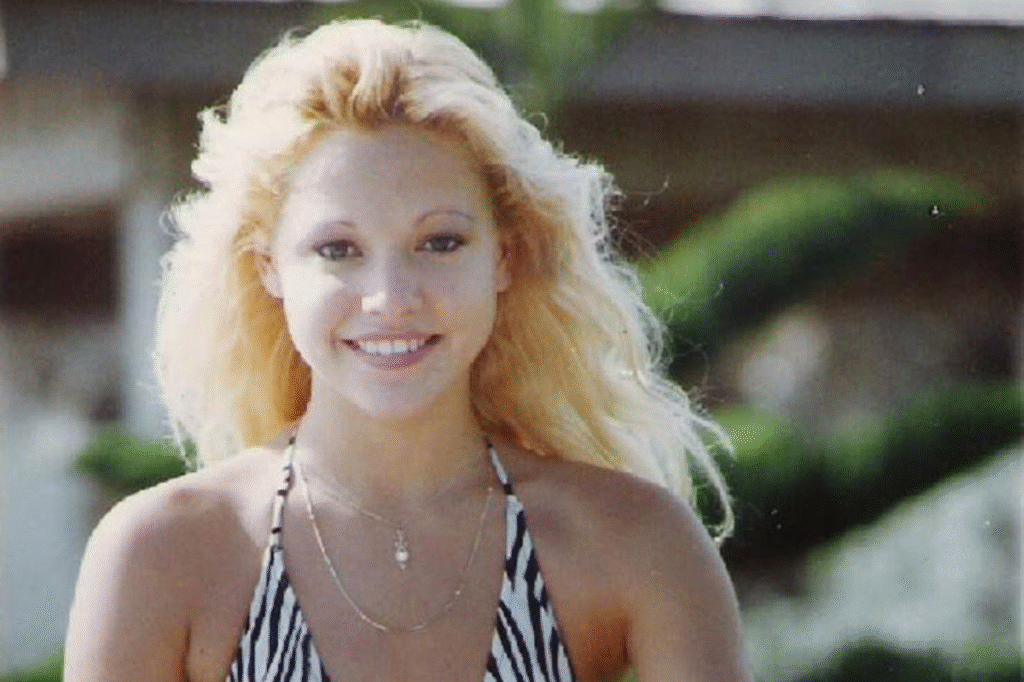
In the summer of 1982, Tammy went to a weekend party out of town on her own. Up to that point, people who knew her described a cheerful, outgoing young woman. That changed the moment she came home.
Wing Flannagan, a close friend who had lived with the Leppert family since he was eleven and thought of Tammy almost as an older sister, said she wasn’t the same person when she returned. She had gone quiet, withdrawn, and visibly rattled.
She didn’t say why at first. Whenever Wing tried to ask what was bothering her, she’d brush the question off or laugh it away. But over the following weeks, her unease grew into something much harder to ignore.
She became convinced someone wanted to hurt her. She stopped eating or drinking anything from a container that had already been opened, worried it might be tampered with, and she’d have Wing taste her food before she would touch it.
Other moments hinted at a fear aimed at something — or someone — specific. Once, she pulled Wing to a window and pointed at a van parked across the street with mirrored windows, asking anxiously whether it had been there before.
Another time she told him to say she wasn’t home if a particular caller rang, and the way she said it left no doubt she meant it seriously.
Eventually she brought the subject to her mother, Linda Curtis, asking her point-blank what she would do if someone were trying to kill her. When Linda pushed for more, Tammy shut down.
On another occasion she told her mother she’d witnessed something terrible — something she wasn’t supposed to have seen — without ever saying what.
She also mentioned once that a friend had bragged about a local drug and money-laundering operation involving well-known figures in the area, and that knowing about it had put her in danger.
Concerned enough to act, Linda had a Brevard County Sheriff’s deputy come speak with Tammy. But by the time the officer arrived, Tammy had walked everything back — she gave no indication that she believed her life was at risk, and the visit led nowhere.
Whatever she was afraid of, she kept it locked inside.
The Breakdown on Set
In March 1983, Tammy went to Miami for a small part in Scarface, staying with a family friend, Walter Liebowitz, for the duration of the shoot. The first few days went smoothly. Then came a scene built around a staged execution using fake blood.
Tammy fell apart on set. Her hysteria was severe enough that the crew pulled her aside and moved her into a trailer to recover away from everyone else. When Walter went to check on her, he found her shaking and in tears.
In the middle of the breakdown, she brought up money laundering again and kept repeating that “they” were going to kill her and that she had nowhere left to hide.
Alarmed, Walter called Linda and urged her to get Tammy professional help — and to think seriously about going to the police to find out whether her fears had any basis in reality. Tammy left the production shortly afterward and went home to Rockledge.
On July 1, 1983, things came to a head. Tammy was inside with Wing when she accused him, without cause, of staring at her. He denied it. She went outside, and the front door swung shut and locked behind her.
Unable to get back in right away, she panicked, pounding on the door before grabbing a baseball bat and breaking a window to reach the lock. When Wing tried to stop her, she turned on him — hitting him and screaming that he’d locked her out on purpose.
He later said her eyes had a wild, unfocused look, as though she didn’t fully recognize him.
Linda stepped in and calmed her down by repeating, again and again, that it was her mother and that she loved her. That same day, Linda brought Tammy to the Brevard County Mental Health Center, where she was held for a mandatory 72-hour psychiatric evaluation.
Testing ruled out drugs and alcohol as a factor, but doctors couldn’t land on a diagnosis. Tammy was discharged on July 4, 1983, with no real answers about what was driving her behavior.
Her Final Days
On July 5, Tammy spent the day with Rick Adams, a longtime friend who already knew about the fears she’d been carrying. She broke down again and repeated that she’d seen something she shouldn’t have — still without saying what.
She asked him to take her to a small evangelical church in Rockledge so she could pray, and once there, she cried harder than he’d ever seen her cry. He stayed with her and did what he could to comfort her.
Driving her home afterward, they made plans to go back to the church together the next day. As she got out of his car, Tammy told him she loved him and that she might be going away for a while.
At the time, he assumed she meant the trip to California she had lined up for more acting work.
The next morning, July 6, 1983, Tammy seemed calm — more like herself than she had in weeks, her mother later recalled.
Around 11 a.m., she told Linda she was heading to Cocoa Beach with a twenty-year-old friend, Keith Roberts, who worked at a bank in Lakeland and had driven out to pick her up.
She got dressed — a light blue denim shirt with flower appliqués on the shoulders, a matching denim skirt, flip-flops — and grabbed her gray purse. Linda noticed one thing that struck her as odd: Tammy’s hair was uncombed.
For a young woman who was famously particular about her appearance and always took her time getting ready, leaving the house without brushing her hair was out of character.
As she left, she called back, “Bye, mommy. I’ll see you in a little bit.” Those were the last words Linda would ever hear from her daughter. Watching Tammy get into Keith’s car, Linda felt a sudden, inexplicable wave of dread.
The Last Hours
Keith drove Tammy toward Cocoa Beach, a town she loved and had once said she dreamed of living in someday. Somewhere along the way, an argument broke out.
Keith later told police Tammy had seemed paranoid throughout the drive and talked about wanting to leave home for good — she asked to borrow three hundred dollars and wanted him to take her to Fort Lauderdale, more than 170 miles south, to stay with friends.
He said he handed over the money but told her he couldn’t make that drive in the middle of the day. Tammy’s reaction was immediate — she demanded he pull over and let her out right then, and he says he did.
Around three that afternoon, he left her near the Glass Bank, a well-known multistory building on State Road A1A in Cocoa Beach, close to an Exxon station and a small row of shops — roughly five miles from her house. He later said that was the last time he ever saw her.
Within minutes, Tammy was on a nearby payphone making urgent calls.
She tried repeatedly to reach her aunt, Ginger Kolsch, who ran a costume shop in Cocoa Beach called Balloonatics, but Ginger was out of town and never picked up; Tammy left several messages asking her to call back and stressing that it was important.
She also tried a friend, Ron Abeles, who owned a video store along the same stretch of road, but couldn’t reach him either.
After that, nothing. No confirmed sighting of Tammy Lynn Leppert has ever surfaced since those phone calls.
How the Investigation Unfolded
By that evening, when Tammy hadn’t come home or called, Linda knew something was wrong and contacted the Cocoa Beach Police Department in the early hours of July 7.
Even so, the department’s first instinct was to treat her as a probable runaway, and a formal missing-persons report wasn’t filed until July 11 — five days after she vanished.
Investigators reached Keith Roberts only by phone. Lieutenant Jim Scraggs, who handled the case, later said Roberts backed out of two scheduled in-person interviews at the station and eventually stopped responding altogether.
Even so, police maintained there was nothing to make him a suspect.
Linda never accepted how the case was handled. She insisted Tammy wasn’t the type to vanish without a word — that she was reliable about checking in and had been genuinely excited about an upcoming three-month trip to California.
She also pointed out that Tammy had left behind everything: her clothes, her belongings, and more than $20,000 in a bank account that was never touched again.
Weeks after Tammy disappeared, Cocoa Beach Detective Harold Lewis fielded two anonymous calls from a woman claiming to have information. In the first, the caller said Tammy was alive and would reach out to her family when she was ready.
In the second, she claimed Tammy was in school training to become a nurse. Neither call was ever traced, and the woman was never identified.
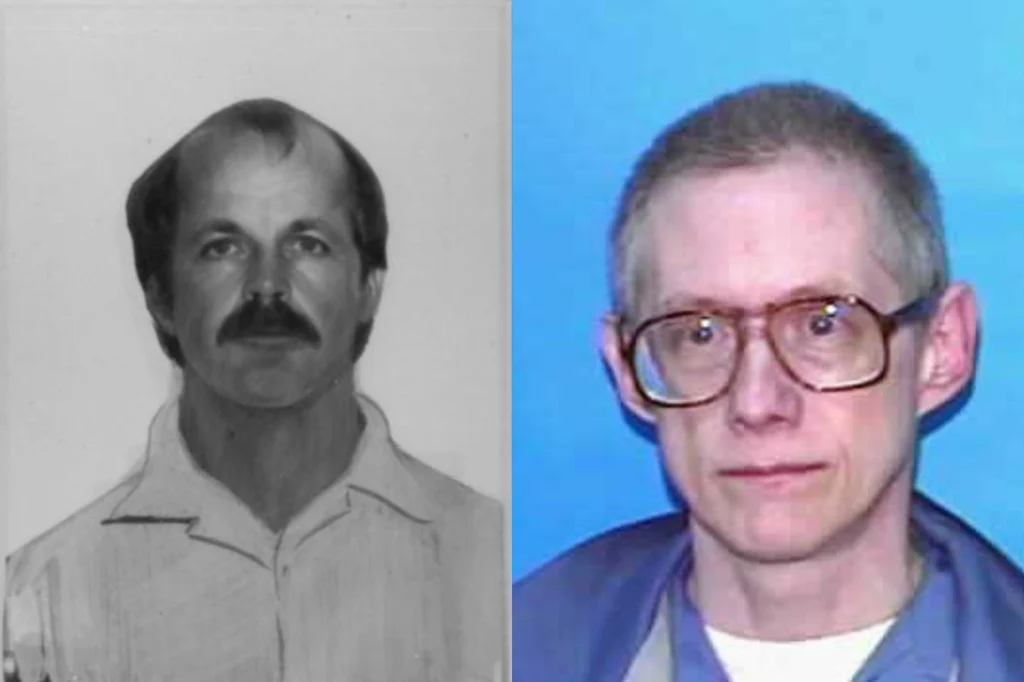
Years later, investigators and the family took a hard look at Christopher Wilder, a serial predator active in South Florida who lured young women with fake modeling opportunities.
His crimes came to light in 1984, and the overlap with aspects of Tammy’s case was enough that Linda filed a civil suit against him. She dropped it after Wilder died in a shootout with police in New Hampshire in April 1984.
No confirmed connection between Wilder and Tammy’s disappearance was ever established.
John Brennan Crutchley — a violent offender who had settled in Brevard County around the time of Tammy’s disappearance — was also examined after his 1985 arrest, when detectives revisited unsolved local cases.
The Brevard County Sheriff’s Office ultimately found nothing tying him to Tammy. Crutchley died by suicide in prison in 2002.
A Case That Has Never Closed
Linda Curtis spent the rest of her life trying to find out what happened to her daughter. She died in early October 1995, at 54, without ever getting an answer.
After her death, Tammy’s sister Suzanne took up the effort to keep the case in public view — building early web pages dedicated to Tammy and later running a Facebook page, “My Missing Sister Tammy Leppert,” where she still posts updates and asks anyone with information to come forward.
Tammy Lynn Leppert remains listed as a missing person with the Cocoa Beach Police Department, and her DNA profile is on file in national databases — meaning that if unidentified remains are ever matched through genetic genealogy or other testing, she could still be identified.
She has been missing since July 6, 1983, last seen near the Glass Bank in Cocoa Beach, wearing a light blue denim shirt with flower appliqués, a matching denim skirt, and flip-flops, and carrying a gray purse.
She stood about 5’4″ and weighed between 105 and 115 pounds, with blonde hair and hazel eyes. She would be 61 years old today.
Who Tammy Lynn Leppert Was
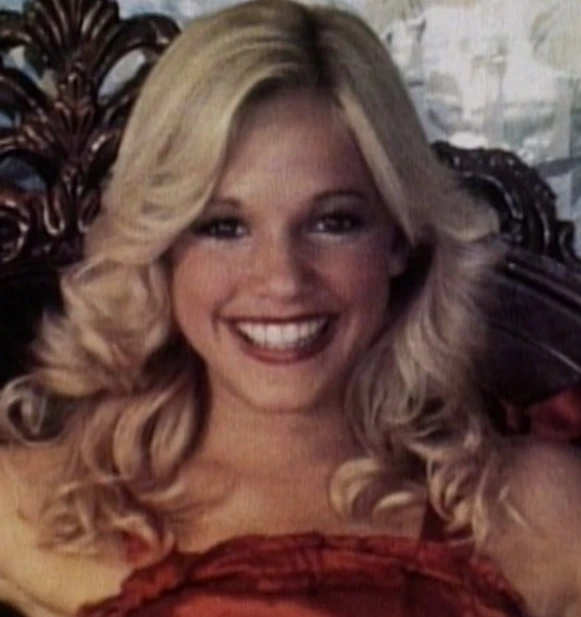
Tammy Lynn Leppert was born February 5, 1965, in Rockledge, Florida, the youngest of five children. Her mother, Linda Curtis, worked as a theatrical and modeling agent, and Tammy started entering beauty pageants at age four.
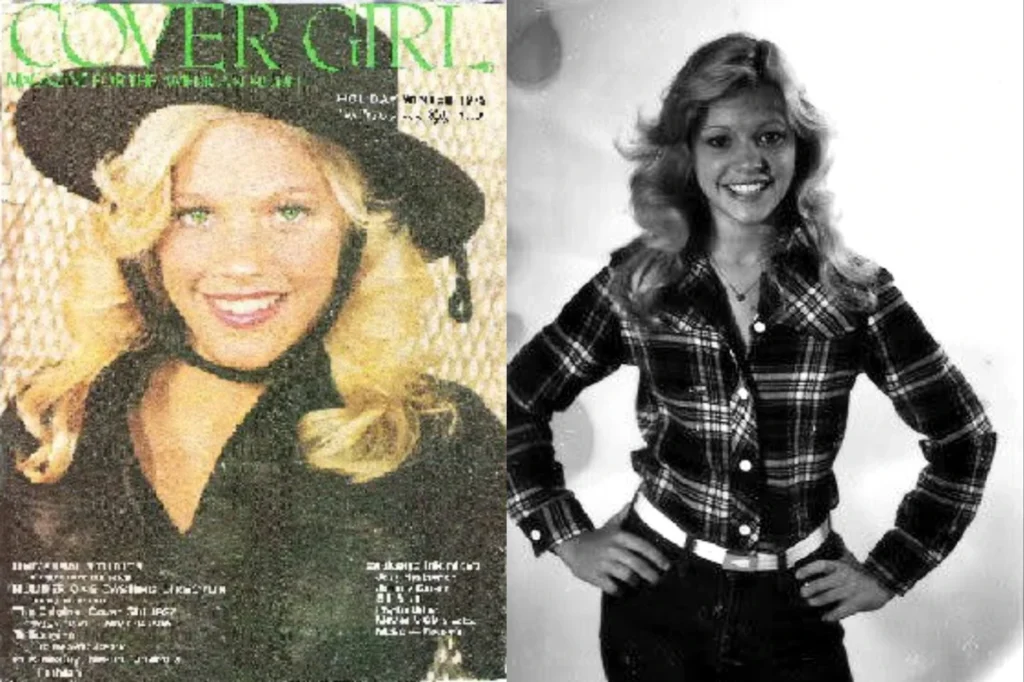
Over the years she competed in roughly 300 contests and walked away with about 280 crowns — enough that a local paper once dubbed her “Brevard’s answer to Shirley Temple.” She landed on the cover of CoverGirl at thirteen.
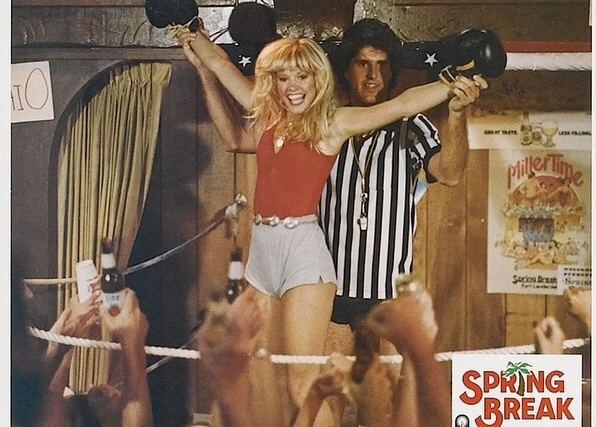
As a teenager, she moved into acting, picking up small roles in Little Darlings and Spring Break — her figure ended up on the promotional poster for the latter — before a brief appearance in Scarface in 1983.
She was looking ahead to more film work in California and had always talked about one day owning a home in Cocoa Beach. The people who knew her described someone who woke up smiling and went to bed the same way — a girl who lit up whatever room she walked into.