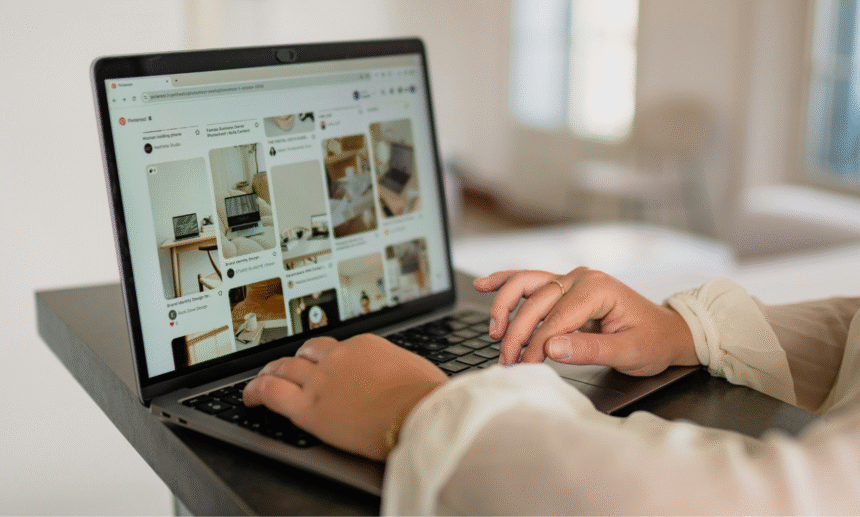
Pinterest can look like social media, but it behaves more like a visual search tool. People come with a goal: plan a meal, compare a product, or figure out how to do something. That “I need an answer” mindset is exactly why Pinterest can send steady website traffic, not just quick spikes.
Pinterest Acts Like Search
Most platforms reward what is new. Pinterest rewards what is useful. A strong Pin can keep circulating for weeks or even months because users save it, search for it later, and share it into collections that stay public. In practice, that means your work does not vanish after 24 hours.
Here’s the kind of scene that plays out every day: someone is scrolling at night, building a board for “small apartment storage.” They save a clear Pin that promises “simple shelf layout ideas.”
Two days later, they open that board again, click the Pin, and land on a full guide. No drama, no debating in comments—just a clean path from curiosity to your website.
To earn that kind of traffic, you have to think like the user. What would they type into the Pinterest search bar? Use those straightforward phrases in your Pin title and description. Keep it plain. “Easy graduation party snacks” beats “snacks you will love.”
When the words match real searches, Pinterest is more likely to show your Pin to the right people.
Also, make sure the page you link to delivers fast. If a Pin promises a checklist, the checklist should be easy to find when the page opens. Pinterest users are planners. If they click and feel misled, they leave.
Pins That Earn Clicks
A Pin has one job: make someone want the next step. That means the image needs to be clean, readable, and sized to stand out on a phone screen. Vertical images usually work well because they take up more space and feel easier to scan.
Text on the image can help, but only when it adds clarity. A short line like “15-minute dinners” or “beginner budget guide” works because it is specific. Avoid cramming multiple ideas into one design. Too many words make the Pin feel messy and less trustworthy.
Descriptions matter too, but they should sound like helpful notes, not a loud sales pitch. Explain what the user will get, who it is for, and what to do next. Example: “Step-by-step outline for a weekend cleaning plan. Includes a room-by-room list. Read the full guide.”
That is direct, brand safe, and useful.
One more smart move: create more than one Pin for the same page. You are not repeating yourself; you are giving Pinterest different angles to test. One Pin can focus on time saved, another on cost, another on the final result. Different visuals reach different people, and each one can point to the same strong landing page.
Make It Consistent
Pinterest traffic builds through steady publishing, not random bursts. Posting regularly gives your account more chances to be discovered and helps Pinterest understand what you cover.
It also helps to organize boards around clear topics. “Weeknight meals” is easier to understand than “Food ideas.” “Resume tips” is clearer than “Career.”
Seasonal planning is a quiet advantage. People search early for holidays, school, travel, and home projects. Posting ahead of the peak gives your Pins time to get saved and picked up.
Finally, judge success by clicks and quality visits, not just saves. Saves are a good sign, but website traffic is the goal here. Check your Pinterest stats and your website numbers to see which Pins send visitors who actually read, browse, or sign up.
Then do more of what works: topics with clear intent, strong visuals, and pages that deliver exactly what the Pin promised.