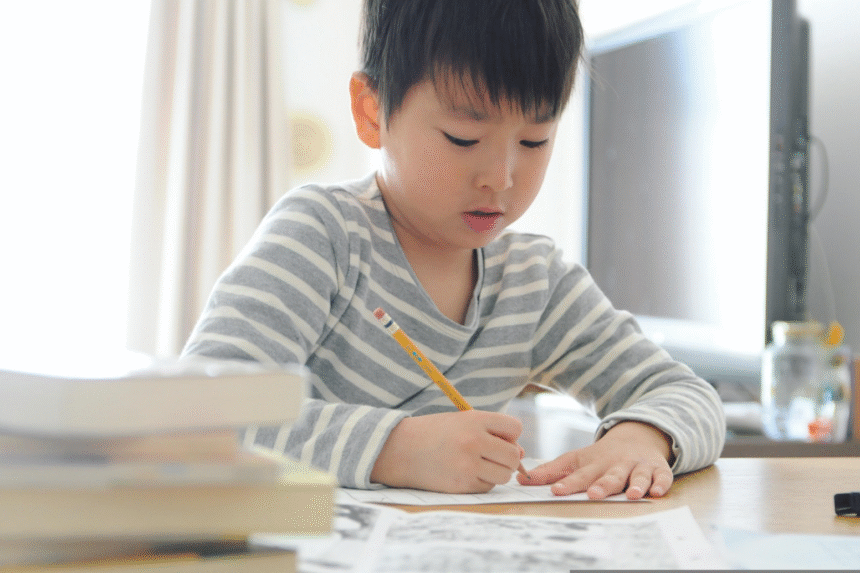
How Food-Focused Lessons Help Preschoolers Understand Science Faster
Most people picture preschool as story time, blocks, and the alphabet on a bright rug. Science is usually saved for later grades, and vegetables are more likely to show up…


Neuroscientists Discover a Brain Edge for Reading Physical Books
Many people claim a printed book “just hits different” than a screen. A new brain imaging study from the University of Tokyo now shows there is something measurable behind that…

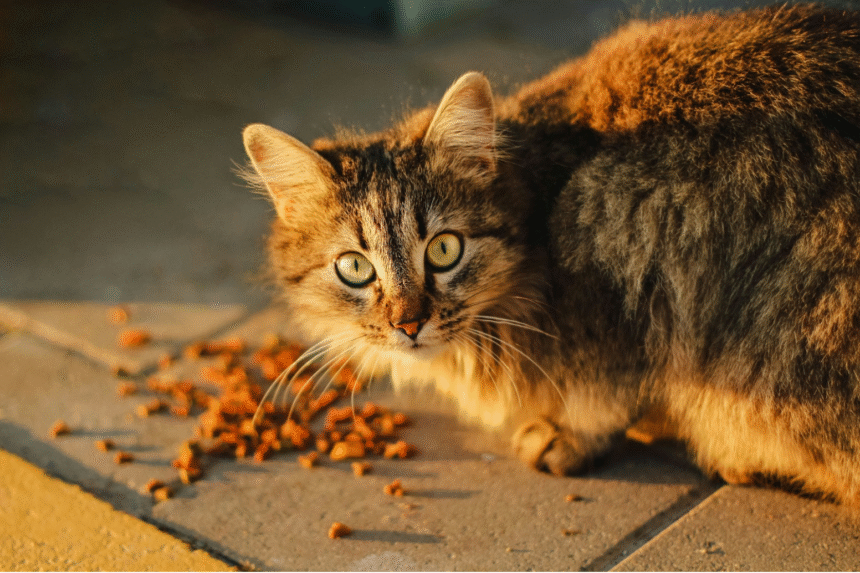
Most Cats Don’t Stick to Two Meals: What a Home Study Found
Most feeding advice still centers on one or two set meals. Yet a recent home tracking study suggests many cats, especially older ones, run on a different rhythm: they circle…

Seismometers Help Scientists Follow Space Debris Back to Earth
Earth’s orbit is getting crowded with retired satellites, rocket stages, and loose mission hardware from launches. These objects can circle for years, but they do not stay up forever. Thin…
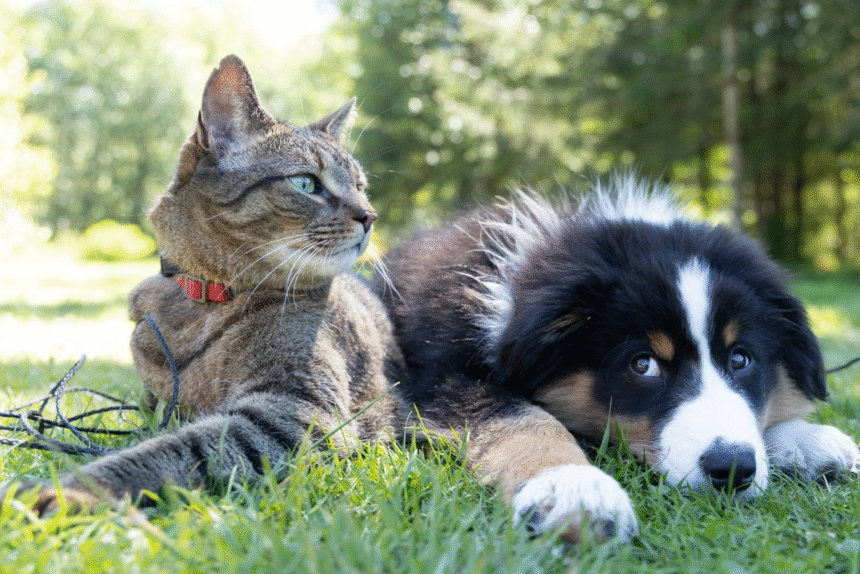
Why Dogs Step In When You’re Stuck, and Cats Often Just Watch
Picture an adult opening drawers and scanning the floor for something that is “right there,” just out of sight. In many homes a dog closes in, watching the person and…

A quick therapy-dog video may calm you down, no contact needed
Most people do not need a lab report to believe dogs are calming. Therapy-dog drop-ins on college campuses often draw long lines because students want a quick emotional reset between…
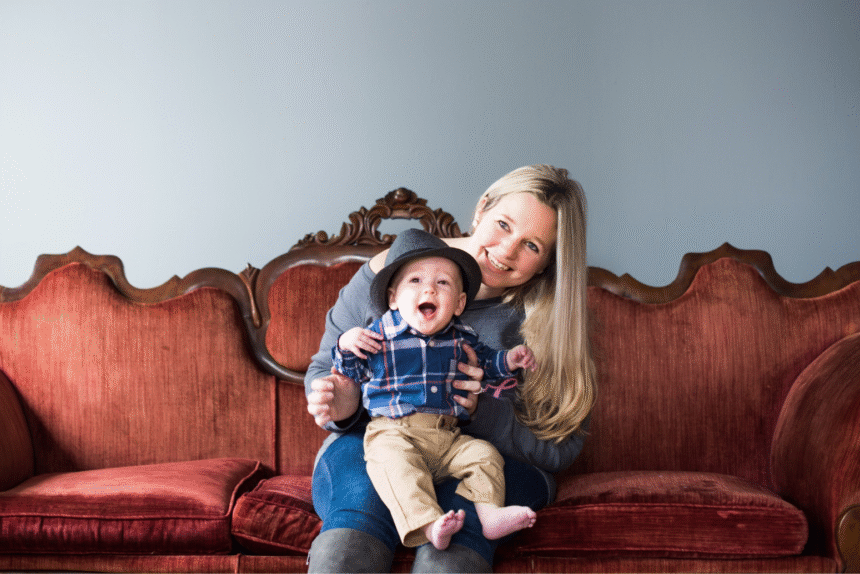
Music Has a Unique Way of Improving a Baby’s Mood
On many evenings, the soundtrack of parenthood is a voice: a hum while a bottle warms, a tune during diaper changes, a lullaby on repeat. Adults have done this for…
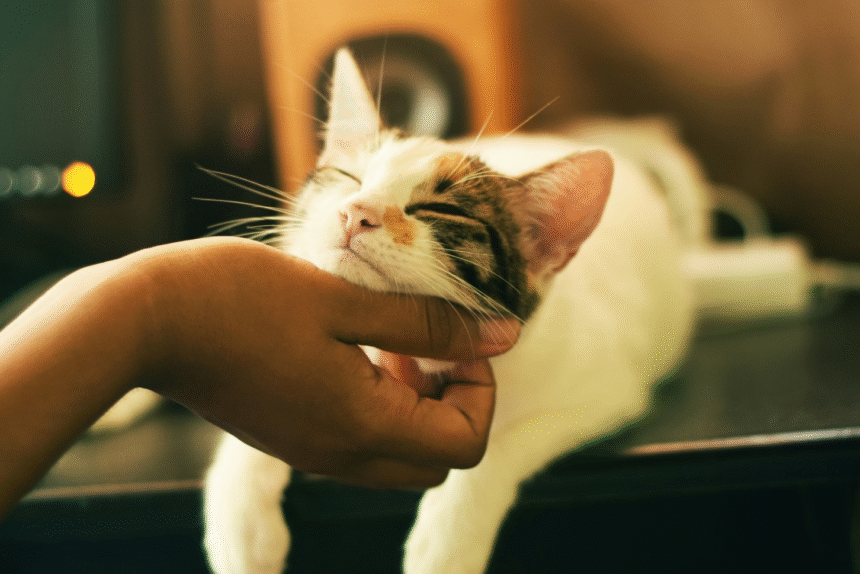
Playtime Is Welfare: What Research Says About Cats and Quality of Life
A cat can look perfectly fine while still being under-stimulated. Picture a quiet living room: the bowl is full, the bed is soft, and yet the cat keeps pacing, staring…

Dogs May Share a Subtle “Hidden Language” Through Blinking, According to New Research
If you spend time around dogs, you notice the obvious signals first: tail position, ear angles, a play bow. What is easier to miss is the tiny “reset” of the…
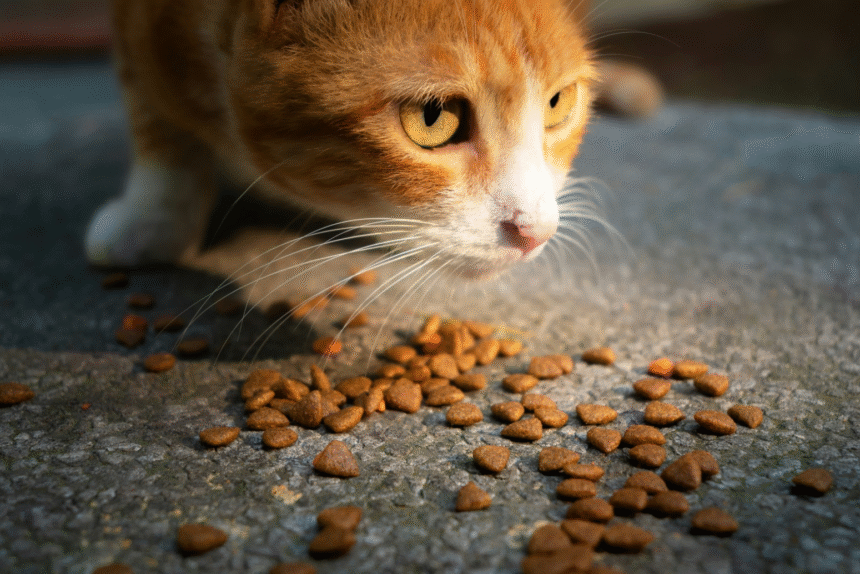
Why Hungry Cats Walk Away From Their Bowl
In many kitchens, the scene is familiar: dinner goes down, a cat leans in, takes a few bites, then steps back as if the meal suddenly became unimportant. Minutes later,…