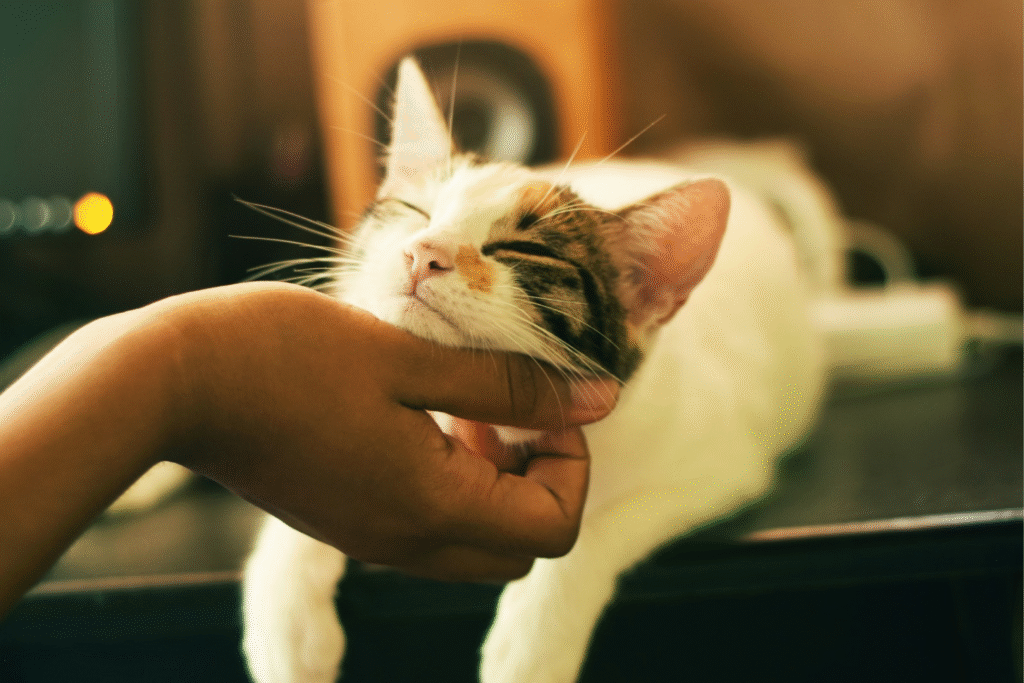
People taking the time to play with their cats every day is a big win for cats. Research and specialists have shown clear links between regular play and better lives for cats in the home.
Cats Must Play to Thrive
Cats need to play to feel good. One of the five major pillars for a healthy feline environment, as identified in the American Association of Feline Practitioners and the International Society of Feline Medicine guidelines, is opportunities for play and predatory behavior.
The groups said meeting the needs of cats and allowing them to express their natural behaviours helps prevent stress and undesirable behaviours, as well as improve feline health and welfare. Cats in homes are often deprived of the chance to hunt or stalk as they would in the wild, so play fills the gap.
A survey of 1,591 cat guardians in 55 countries found a strong association between play and overall well-being. Higher cat playfulness scores and higher number of games played were associated with higher cat quality of life scores.
Longer daily play times, more games, both the cat and guardian initiating play, and higher guardian playfulness scores all correlated with better relationship scores between cats and their people.
Indoor-only cats had better quality of life and stronger bonds when play stayed regular. Put simply, Dr. Lori Teller, clinical professor at the Texas A&M College of Veterinary Medicine & Biomedical Sciences, said cats need to be mentally and physically stimulated for the same reason we all do—it is what allows them to live happier and healthier lives.
She added that exercise helps keep a cat at a healthy weight. Cats can become bored or stressed out if there is not enough stimulation, which can cause undesirable behaviors in the house. Play gives a safe outlet for instincts that remain strong no matter how long a cat lives indoors.
Often guardians find cats calmer and closer when they include play in the routine. The same survey also revealed that behavioral changes related to distress took place when play stopped.
This shows the importance of daily contact for stable moods and good health in the long run. Experts agree that play is best when it is based on what cats naturally enjoy, like short sessions that allow them to chase, pounce and “catch” something.
Consistent sessions are good for building trust and keeping the cat interested without overwhelming them.
Benefits of Play to Physical Health
Regular play sessions are also needed to keep cats active and in a better body condition. Indoor cats are at a higher risk of becoming overweight because food is offered in a bowl with no work involved.
“Cats in the wild would spend an estimated 80% of their waking hours hunting for food,” said Dr. Liz Bales, a veterinarian with a special interest in cat behavior and wellness. When that effort is gone, extra weight is common. Play brings back some of that movement.
Cats get running, jumping and stretching after toys, which burns energy and builds muscle. Enrichment through play and toys promotes healthy weight, said Teller. Plus, overweight cats are more prone to certain health problems, so keeping them active in a fun way can make a big difference.
Vertical space and climbing during play also encourages more activity as cats go up and down. Jumping and climbing are all part of the natural behavioral set of cats, an article in the Journal of Feline Medicine and Surgery notes.
Cat brains are wired for comfort and safety off the ground, so features that allow them to climb during play sessions add physical benefits as they move. Because cats prefer high frequency, low intensity activity, several short bursts of play time throughout the day are best.
Guardians can get cats moving with wand toys, balls, or simple household items like paper bags. Food puzzle toys are another layer to this, as they make cats work a little for treats or meals, which increases activity while they eat.
These methods turn ordinary times into a chance to exercise without needing to schedule long workouts that cats may not enjoy. Playing regularly for weeks and months helps develop a leaner body and improves overall fitness.
More active cats are also likely to sleep more soundly after a session, completing the natural cycle of activity and recovery in their day. Physical gains seem to come slowly but are ever present when play becomes a regular routine not an occasional event.
Psychological and Behavioral Advantages
Play is not just physical activity. It keeps the mind busy and relieves stress that can take undesirable forms. If cats are not able to exercise their natural instincts then they can become bored or anxious. Teller pointed out that busy cats are less likely to get bored or stressed.
Those that feel stressed or bored may exhibit behaviors such as avoiding the litter box or scratching furniture. Play is an outlet and stops many of these problems from developing. It is enrichment. The large guardian survey found more play associated with better quality of life scores and better relationships. When cats have enough interactive time, problem behaviors often diminish.
Guardians said that when they stopped playing with their cats, the cats started acting moody or weird. That shows how important it is for cats to use their brains during play. Cats really like short, fun games where they get to pick what they do. They don’t like long games where someone tells them exactly what to do the whole time.
Playing together also makes cats and their people feel closer. When both the cat and the person start the games, they get along even better. Doing the same kind of play every day helps cats feel safe and trust their humans more.
Toys that make cats work for their food, or toys they can play with by themselves, keep their minds busy even when no one is home. It’s a good idea to switch out the toys every so often so cats don’t get tired of them.
Letting cats watch birds or cars out the window is another easy way to keep their brains happy, and it works great together with regular playtime.
All these pieces work together to reduce the chances of stress related problems and support a calmer daily life. Cats that play regularly and have an outlet for their mental energies are usually easier to settle and show fewer signs of frustration. The mental benefits are seen in calmer homes and happier cats that seem more content with their environment.
Integrating Play into Everyday Life
Small daily habits can make play a dependable part of a cat’s routine. Teller suggested that common cat toys are fishing-rod type toys with feathers or ribbons, small balls such as ping pong balls, and laser pointers used carefully.
By chasing these things, cats get some exercise and practice their predation skills. Food-dispensing toys and puzzle feeders are good options for cats who like treats. Think of balls or puzzle toys that give a cat food or some treats when a cat plays with them.
Some cats will actually feel like they “hunted” and caught their dinner. Cardboard boxes and paper grocery bags are free and cats love to explore them. Scratching posts around the home give cats a chance to stretch and mark in acceptable ways during playtime or afterwards.
After a day of activity, cats like to have higher perches to rest and watch. Safety is still important. String or ribbon toys require supervision, and never shine lasers directly into a cat’s eyes. Watch puzzle toy treat amounts so weight remains stable. Older cats with stiff joints might prefer gentler options.
Most schedules are suited to sessions of five to fifteen minutes a few times a day, which match cat energy patterns. Let the cat “catch” the toy to complete the natural cycle of hunt, catch and rest, and then give a small treat at the end of play. When guardians watch their cat’s preferences and adjust toys or timing, sessions stay fun for both sides.
Small daily efforts produce lasting gains in happiness and health over time. All the research and expert advice points to the same clear conclusion: cats that play regularly live better lives with the people with whom they share their homes.
Sources
Cats just want to have fun: Associations between play and welfare in domestic cats
CAT-ching Up On Feline Enrichment
AAFP and ISFM Feline Environmental Needs Guidelines
2013 AAFP/ISFM Environmental Needs Guidelines
Environmental needs of young cats
Environmental Enrichment: Practical Strategies for Improving Feline Welfare