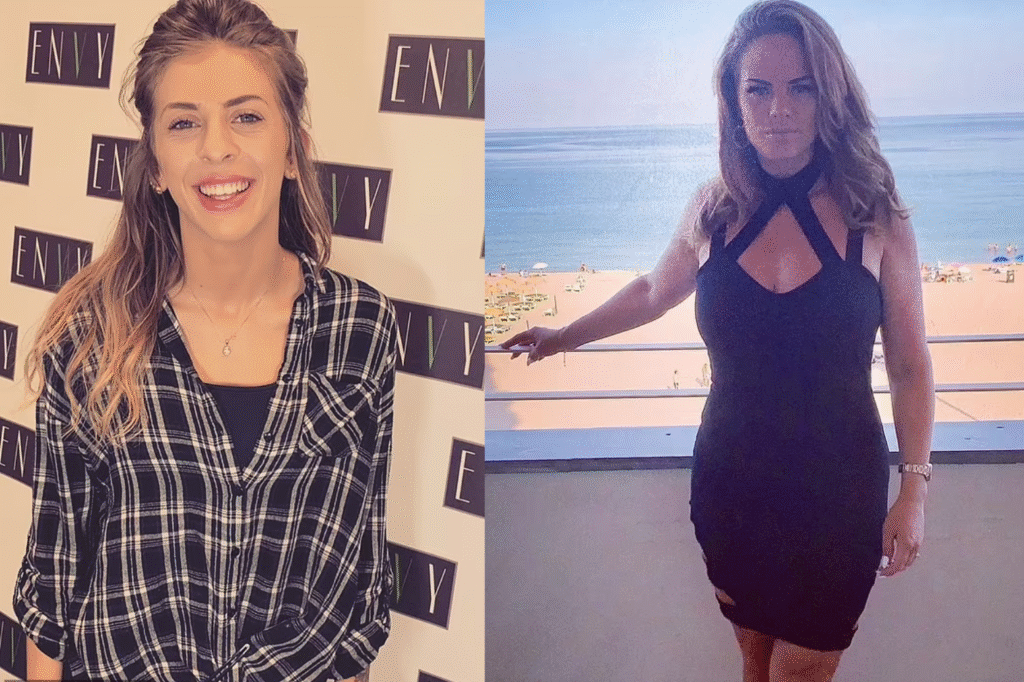
A senior hairdresser who said her career fell apart the moment she told her boss she was expecting a baby was awarded almost £90,000 by an employment tribunal.
Kayleigh Flanagan spent more than two years fighting her former employer, a small salon in Thatcham, Berkshire, before a panel ruled she had effectively been pushed out of her job because she was pregnant.
From Senior Stylist to Sweeping Floors
Flanagan joined Envy, a hair salon based in the Kingsland Centre in Thatcham, as a senior stylist and technician in June 2019, on a salary of £19,000 a year.
Her work seemed to be going well. The salon’s owner, Amy Jury, had even booked her onto a men’s cutting course at a training academy in London for the following March. Then, on 5 December 2019, Flanagan sent Jury a text message with her news: she was pregnant.
Everything changed after that. Flanagan later said she noticed an “immediate change of attitude towards her” once her employer found out.
Within days of returning from holiday, Jury called an unscheduled review meeting to raise concerns about her performance, something a tribunal later found had never actually been arranged before the pregnancy news came through.
By February 2020, Flanagan had been quietly removed from the salon’s online booking system, without being told.
Her regular clients were reassigned to other stylists, and she was denied training opportunities that colleagues continued to receive, including the very course she had once been booked onto.
Between the lost bookings and the lost training, a tribunal later concluded that most of what remained of her working day amounted to apprentice-level chores.
Judges found she had “nothing else to do but to clean the salon and make tea,” filling the rest of her time by picking up the odd walk-in customer whenever one came through the door. Given her seniority and experience, the panel said she had, in effect, been demoted.
A Disciplinary Warning and a Grievance That Went Nowhere
Around the same time, three customers raised complaints about haircuts Flanagan had given them. On 29 January 2020, she was called into a disciplinary hearing, and the next day she was issued a final written warning for poor customer service and being rude to a client.
She appealed straight away. An internal appeal hearing on 12 February found the punishment too harsh, and by early March it had been downgraded to a first written warning instead.
By then, Flanagan had already raised concerns informally about how she was being treated, including the lack of a proper pregnancy risk assessment and being shut out of the booking system. Her employer treated the complaint as a formal grievance.
Things did not improve from there. When Flanagan appealed the outcome of that grievance, Jury suggested bringing in a former employer of Flanagan’s, someone she had left on difficult terms, to handle the appeal instead.
Flanagan turned the offer down, and her appeal was never properly resolved.
The tribunal also found that Flanagan’s confidential final written warning had not been kept private, which meant colleagues at the small salon were able to joke about it.
It further rejected the salon’s shifting explanations for cancelling Flanagan’s training course, noting that the reasons given changed more than once during the hearing and did not add up. Her maternity leave began on 30 April 2020.
Before it did, on 5 July that year, she filed her first employment tribunal claim, still working for the business at the time and without a lawyer to guide her through the process.
Harassment, a Resignation, and a Four-Year Legal Fight
Flanagan’s relationship with the salon did not improve after her son was born. A colleague directed a crude and insulting remark at her and the baby only weeks after the birth, and further unpleasant incidents followed over the next year, involving several people connected to the business.
In one exchange the tribunal examined, Jury was found to have shouted at Flanagan’s mother, telling her “I’m still winning, just so you know I’m still winning, I’m the winner,” in July 2021.
Flanagan went on sick leave after her maternity and annual leave ended in May 2021. That September, she raised a second grievance, this time about how her original complaint had been handled and about the wider treatment she said she had faced from people linked to the salon.
The outcome, delivered on 22 October 2021, dismissed her complaint. Days later, she resigned. Her employment officially ended on 9 November 2021, after more than two years working at the salon.
Under employment law, resigning in these circumstances counted as constructive dismissal. In simple terms, Flanagan argued she had no real choice but to quit because her employer had broken the trust at the heart of the working relationship.
Flanagan filed a second tribunal claim in March 2022, this time with legal help, adding accusations of harassment, victimisation, and wrongful dismissal to her original case. The two claims were eventually combined into one.
During the hearing, judges also examined a later version of her employment contract, sent while she was on maternity leave, which listed a lower salary and described her as an apprentice hairdresser rather than a senior stylist.
The panel ultimately accepted this was a paperwork mistake rather than a deliberate act, though it added to an already messy and drawn-out dispute.
Hearings stretched across August 2023, January 2024, and again in October and December 2024, more than four years after Flanagan first went to a tribunal.
The Tribunal’s Ruling and the Payout
An employment tribunal in Cambridge, led by Employment Judge L Brown sitting alongside two lay members, delivered its findings in December 2024.
The panel ruled that Flanagan had been “constructively unfairly dismissed,” and that several of the ways she had been treated after announcing her pregnancy amounted to unlawful discrimination under the Equality Act 2010.
It also upheld parts of her victimisation claim, tied to the grievance she raised in March 2020.
One claim, for harassment, could not succeed on its own legal terms, since pregnancy was not treated as a protected characteristic for a stand-alone harassment claim under the Act.
The panel instead considered those same incidents as discrimination or victimisation, wherever the law allowed it.
The compensation reflected the scale of what the tribunal found. Flanagan was awarded more than £27,000 for past financial losses, plus interest, and £25,000 for injury to feelings, one of the higher bands available under tribunal guidelines.
A further £5,000 was added in aggravated damages, and the panel increased the overall award by 5% after finding that the salon had failed to follow the ACAS Code of Practice on handling disciplinary and grievance matters properly.
Once tax rules on compensation over £30,000 and a separate payment for lost statutory rights were factored in, the final total came to £89,849.38, just under £90,000.
The case served as an example of how common this kind of treatment remained. Research carried out for the Equality and Human Rights Commission found that roughly one in nine mothers in the UK felt forced to leave their job over how they were treated once they became pregnant, adding up to tens of thousands of women a year.
Sources
Woman wins £90,000 in unfair dismissal payout
Hairdresser wins £90k compensation for ‘unfair dismissal’ from Thatcham salon
Ms K Flanagan v A Jury (T/a Envy): 3306368/2020 and 3303236/2022
Employment Tribunal — Remedy Judgment (PDF)